
“The most valuable commodity I know of is information.”
Gordon Gekko, Wall Street
Cybercrime is organised and profitable, and small businesses are attractive targets because they are often less prepared. You cannot stop every attempt. You can make sure an attack does not put you out of business.
What is actually hitting small businesses
Scam emails and messages
Messages that look like they come from a supplier, a bank or a colleague, asking someone to click, log in or pay.
Invoice and payment fraud
A genuine looking email changes the bank details on an invoice. The money goes to the criminals and rarely comes back.
Ransomware
Files are encrypted and a payment is demanded. Without a clean, separate backup, the business stops.
Stolen passwords
A password reused on another site, or typed into a fake login page, gives someone access to your email and files.
The UK Government’s Cyber Security Breaches Survey 2025 found that phishing was the most common type of attack by a wide margin. Most attacks start with a message, not a clever hack.
Our goal: you can always recover
Our goal is to make sure every client can always recover their business critical information after any disaster, however it happened.
Real disasters are rarely floods and fires. Far more often it is a scam email, a failed hard drive, a stolen laptop or a file deleted by mistake. The preparation is the same in every case: know what matters, keep a safe copy of it, and know how to get it back.
Being prepared
- Backups kept separate from your main systems, and tested
- Multi factor authentication on email and key accounts
- Software kept up to date
- A team that knows what a scam looks like, and feels safe reporting a mistake
- A simple written plan: who to call, and what to do first
- A rule that bank details are never changed on the strength of an email alone
If the worst happens
- Call us straight away The first hour matters. Do not wait to see what happens next.
- Contain it We disconnect affected machines and lock down accounts so the problem does not spread.
- Recover We restore clean data from backup and get your team working again.
- Close the gap We change passwords, fix whatever let the attacker in, and help you report the incident.
Who this is for
- Small businesses that handle payments or personal data
- Offices where everyone uses email all day
- Businesses that have had a near miss
- Anyone unsure whether their backups would actually work
What we need from you
- A named contact who can make decisions
- A list of the systems and data you cannot work without
- Permission to act quickly if an incident happens
- A team willing to report mistakes early
Questions we are often asked
Are small businesses really targets?
Yes. Most attacks are automated and sent to thousands of addresses at once. Criminals do not need to choose you, they just need one person to click.
Should we pay a ransom?
UK law enforcement and the National Cyber Security Centre do not encourage paying. Paying does not guarantee you get your data back, and it marks you as someone who pays. A tested backup is the real answer.
Will our insurance cover a cyber attack?
That depends on your policy. Some insurers expect basic controls, such as backups and multi factor authentication, to be in place. It is worth checking before you need it.
How would we know if we had been attacked?
Sometimes you would not, at first. Unusual emails sent from your account, new mailbox rules, or files you cannot open are common signs. Call us if anything looks wrong.
Related services
Articles on this topic
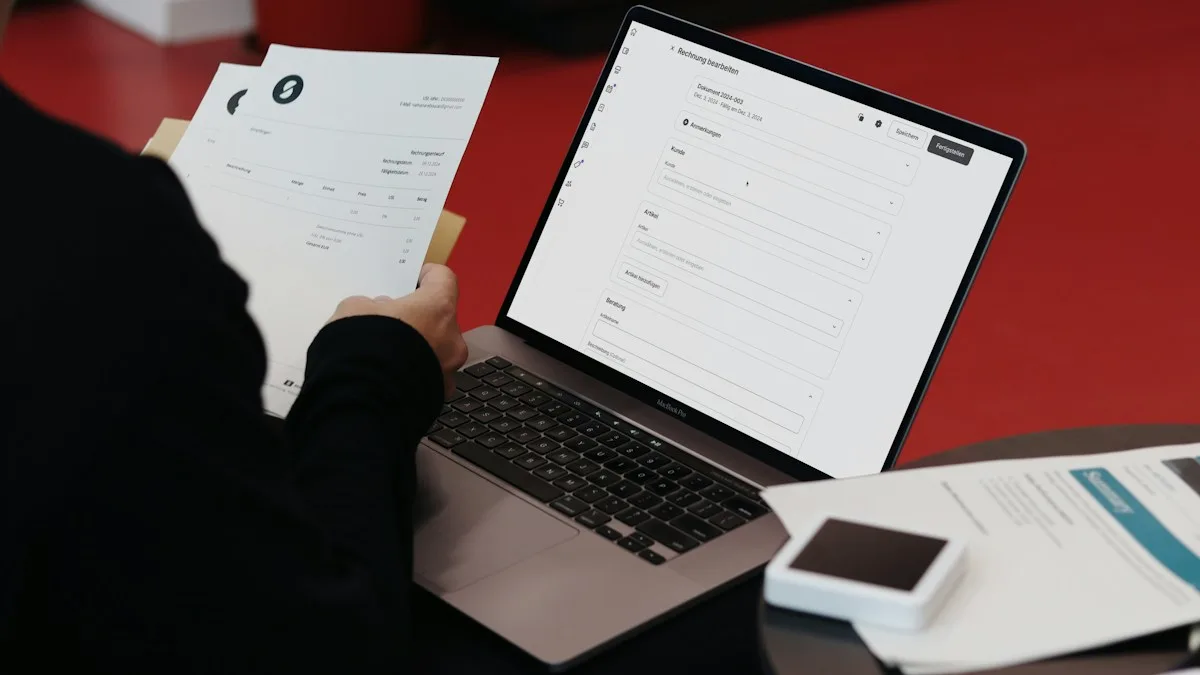
How to spot an invoice fraud email
Invoice fraud emails change bank details on a real looking invoice. The warning signs, and a simple rule that stops…
WannaCry Ransomware Scam hits NHS
It was just over a year ago when I posted the .locky article on my website describing the ransomware scam…
You should be so .LOCKY !
I have seen this twice now in the past few weeks and – I’ll put money on it – no…